
Have I mentioned I’m on the board of directors of Arlington Friends of Urban Agriculture?  FOUA is new as a 501(c)3, though the group was formed in 2017 out of Arlington County’s Urban Agriculture Task Force in 2015. Our mission is to build and support a fair, equitable, and sustainable food system in Arlington. I love talking about urban farming and small space gardening, so it’s right up my alley, huh? Plus, I get to use one of my advanced degrees yay!
A few weeks ago, I talked to the Ballston BID about urban agriculture in the county. Honestly, I was pretty nervous about how it would come out, but due to the producer’s magical editing skills, I think it’s pretty good! Here it is, all 27 minutes of listening glory.
We hit the ground running this year when we took on the COVID-19 crisis. A combination of factors lead us to our Victory Garden project that includes the new home of the Plot Against Hunger program (formerly of AFAC, the Arlington Food Assistance Center) and our school garden program.
With the approval of Arlington Public Schools, we are working with Arlington Virginia Cooperative Extension and garden coordinators at existing gardens to provide administrative support, volunteer bodies, trained Extension Master Gardeners, and in a very happy and unexpected twist, funding. When schools closed in March because of the pandemic, gardens struggled. Right before most gardeners begin their spring planting, volunteers and students were not allowed on school grounds. We presented our plan to the schools superintendent that FOUA would support the gardens by turning them into production gardens (or aiming to increase production for those that already were) and donate produce to a number of local food pantries that have seen a sudden and incredible increase in need. Our goal is 2,500 pounds by the end of this season. We started with three gardens in early/mid May and have made a ton of progress so far. We’re beginning to donate from each of the gardens. Plus, next week we’ll be onboarding a fourth school garden!
Follow us on social media for updates, on Instagram, Twitter, Facebook, and now YouTube (please subscribe so we can eventually get our own username!) I’ll be posting photos and making videos on a regular basis. Here are the first two videos I put together.
More updates as the season continues and our donations pick up.


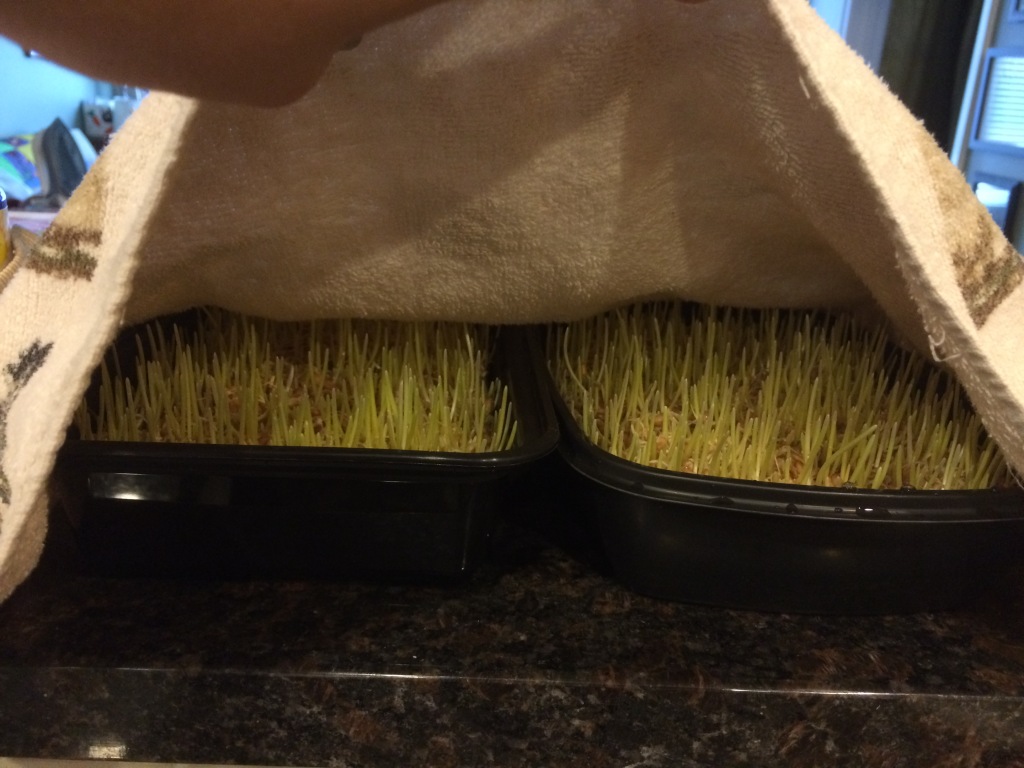
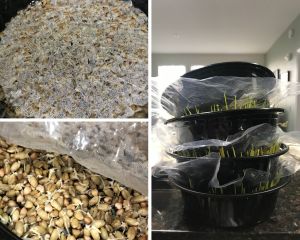 5) Unstack and put the containers in a box that you can easily close. I always throw a towel on top to keep the top and sides of the box closed. You want to block out as much light as possible. Leave the plastic lightly on top of the containers. Remove the plastic after the second day to avoid mold.


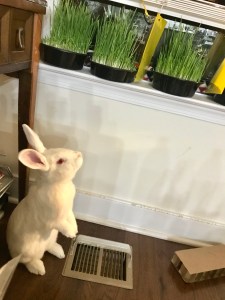


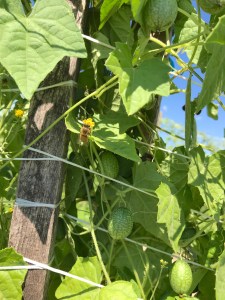
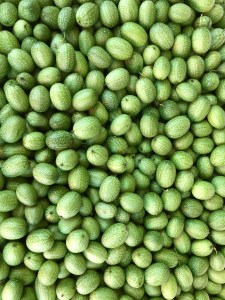







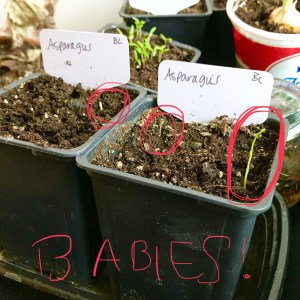


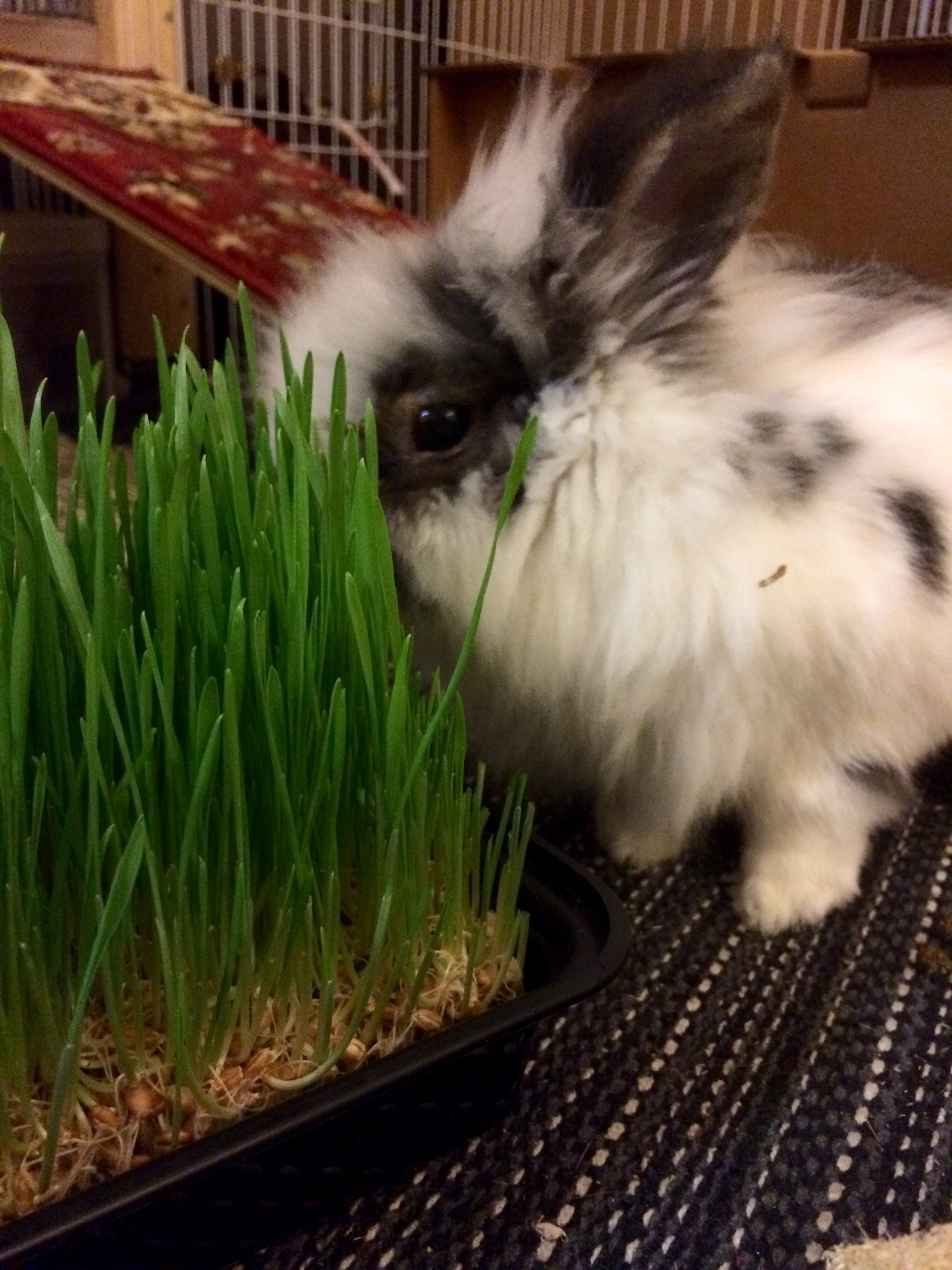 sprouts.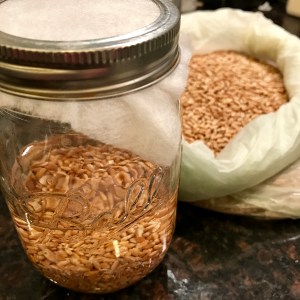
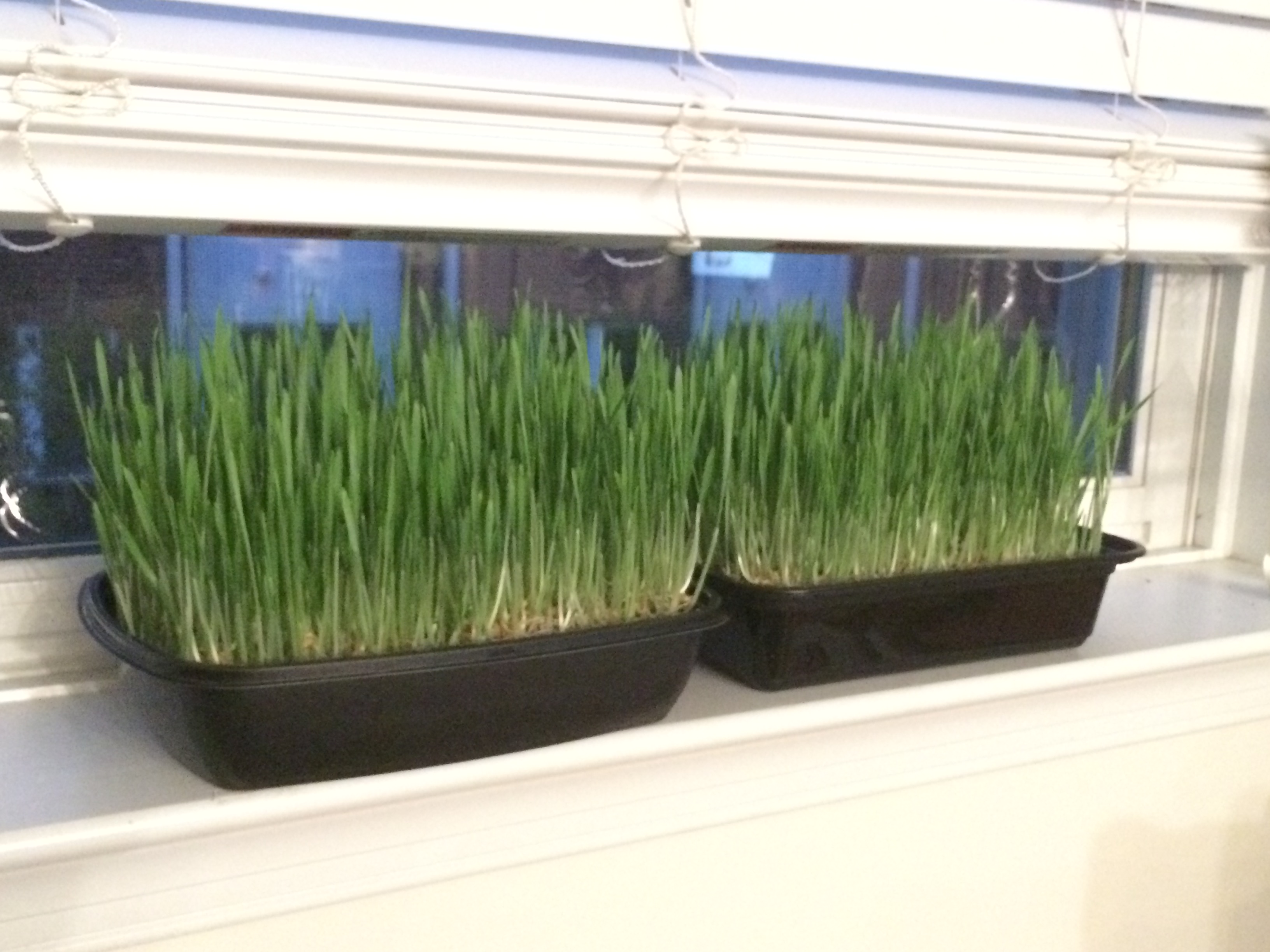
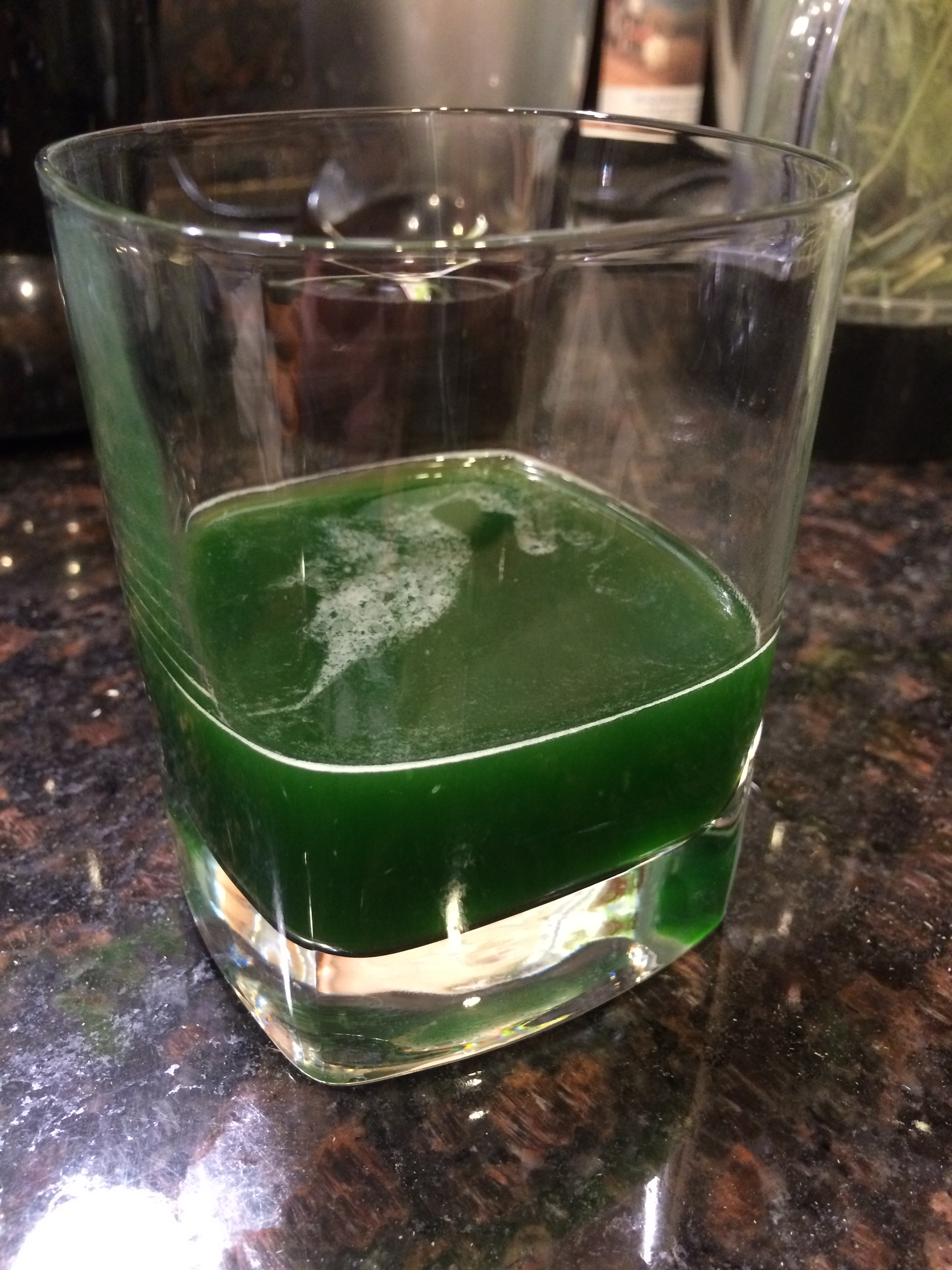 For human use, put it through a juicer and drink. I didn’t want to do that, as my juicer is heavy and a pain to clean, so I just cut a portion (about 1″ x 1″ square) and snipped it into small pieces. Into my Magic Bullet blender with the flat blade and some water, and blend, blend, blend! As soon as you think you’re done, blend for another few seconds. When you have green water and green mash, strain into a glass and press the pulp to get out all of the liquid.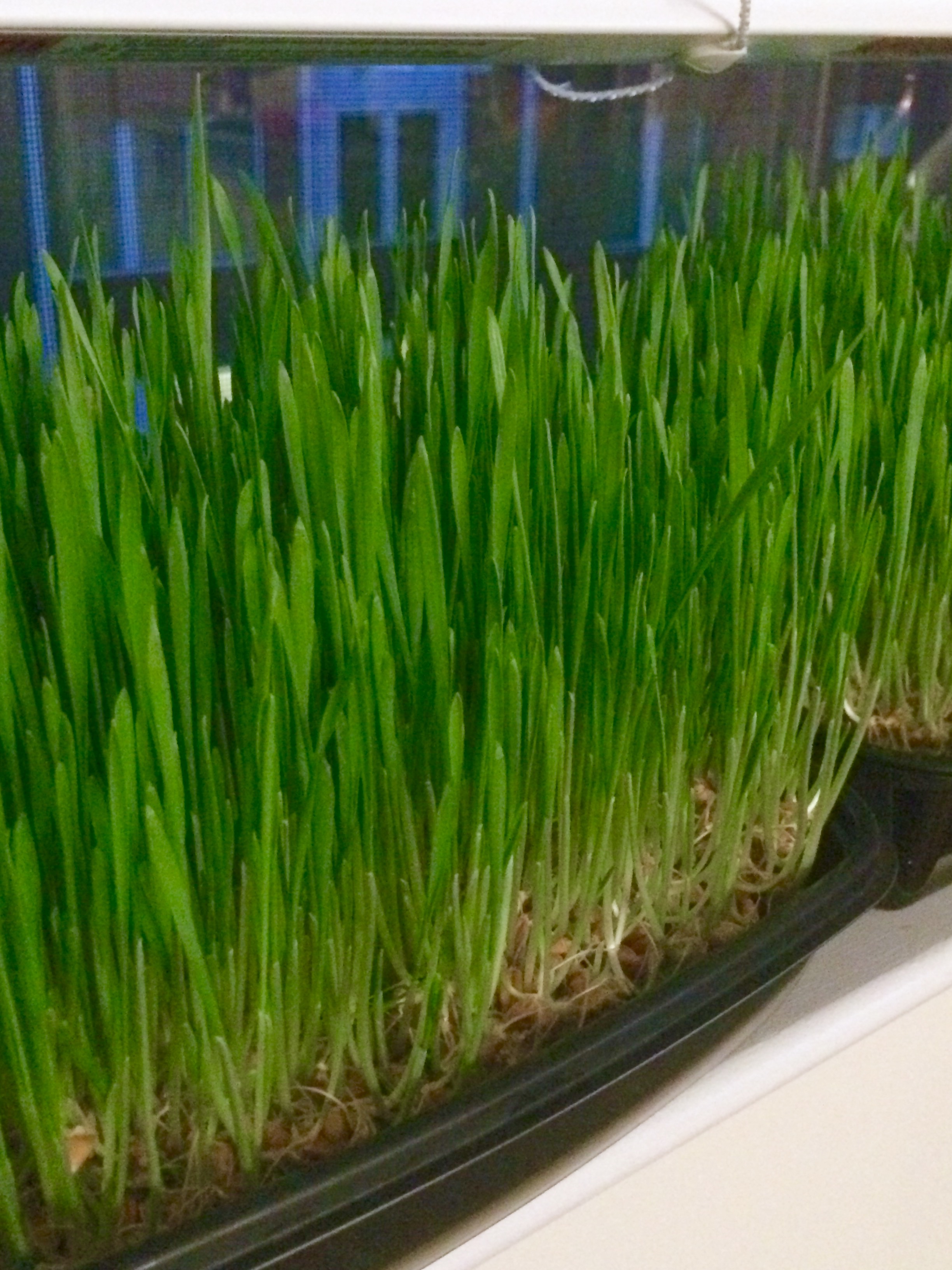
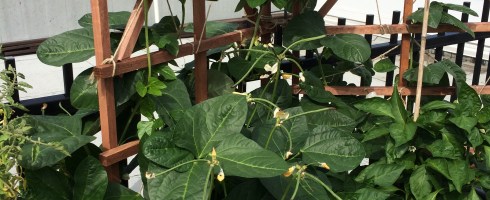
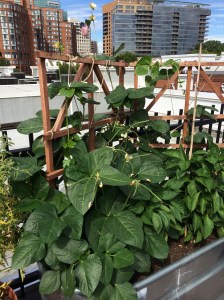
 The some pods were 7” long, though most were about 6”, with about 10-12 beans per pod. I let the pods stay on the plants and dry on their own before picking them. I wound up with about two cups of dried beans. I stored them in a jar with one of those silica desiccant packets.



 Roof Garden Gal